

 Tours
ToursThe best time to visit the Masai mara in 2026 depends on your safari goals. Additionally, migration drama, predator action, and photography priorities shape the experience.
Seasonality influences animal concentrations and crowd levels. Moreover, it affects accessibility to camps and viewpoints.
Planning with a seasoned guide helps tailor experiences.
The Mara offers wildlife year-round, but conditions and experiences shift by season.
Additionally, In dry periods, predators concentrate near water, while the wet season brings lush scenery.
As a result, This variability affects visibility, accessibility, and value for money at camps and lodges.
Furthermore, Consult local guides for updated conditions.
Here’s a breakdown based on current 2026 seasonal forecasts: Masai mara
July – October: The Great Migration (Peak Season)
- Highlights: Massive herds of wildebeest and zebra crossing the Mara River — the iconic migration spectacle.
- Conditions: Dry weather, open savannas, easiest driving conditions, superb Big 5 visibility.
- Trade-offs: Highest prices, heavy tourist traffic (especially in August).
- Best for: First-time visitors and those who want the full migration experience.
- Top months: August–September — daily river crossings, peak wildlife density.

January – March: Predator & Calving Season (Shoulder Season)
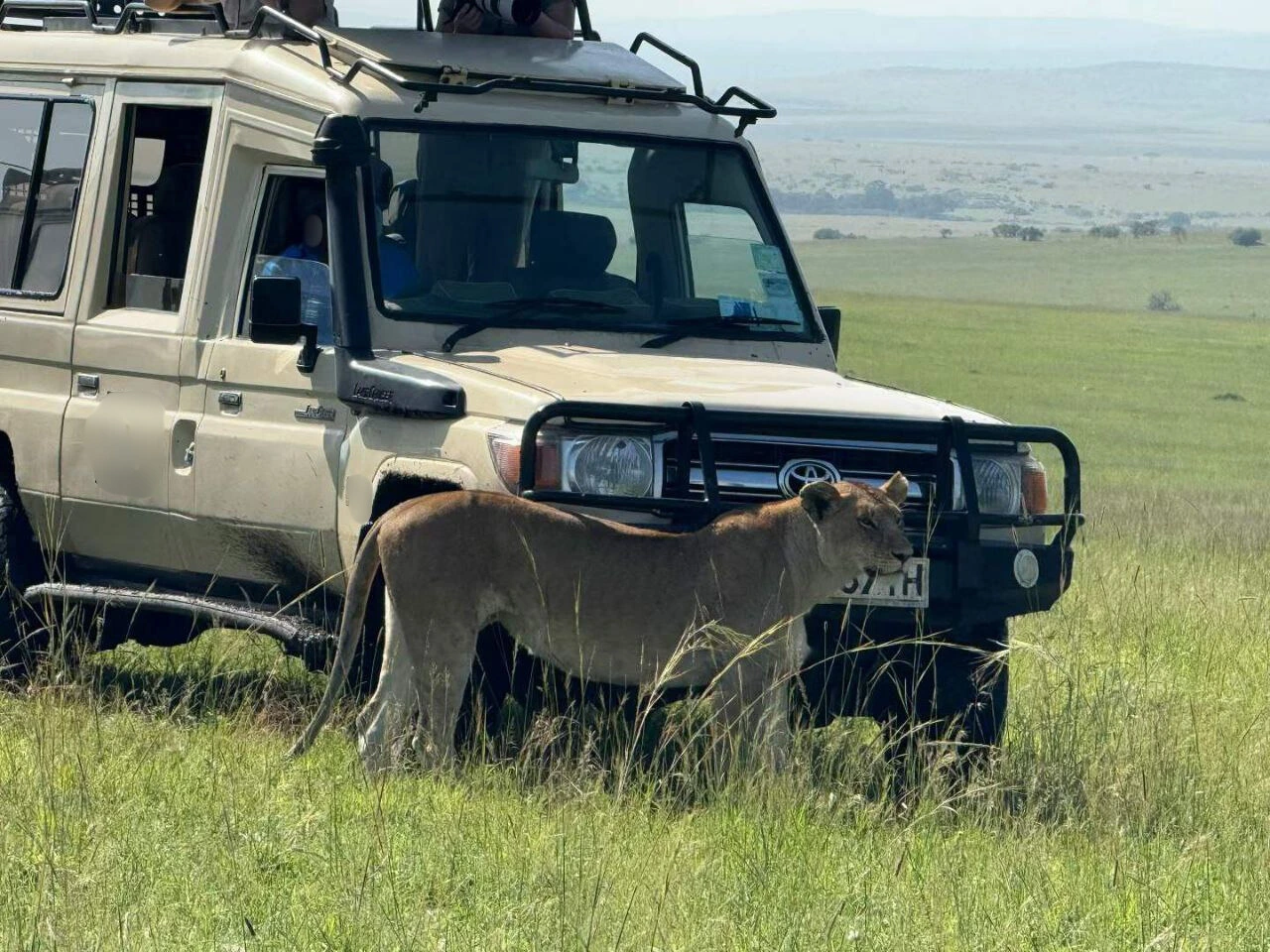
- Highlights: Abundant predator activity as wildebeest and antelope give birth; exceptional lion, leopard, and cheetah encounters.
- Conditions: Warm, mostly dry, green landscapes; great visibility, lower visitor numbers.
- Trade-offs: No migration herds, but phenomenal predator-prey action.
- Best for: Serious wildlife photographers and those who want fewer crowds.
April – May: Green Season (Low / Rainy Season)
- Highlights: Lush scenery, bird watching, lower prices — lodges offer large discounts.
- Conditions: Long rains make some roads muddy or inaccessible.
- Trade-offs: Not ideal for first-time safaris due to rain; some camps close.
- Best for: Budget travelers, photographers seeking greenery and dramatic skies.
November – December: Short Rains (Shoulder Season)
- Highlights: Landscapes turn green again; migratory birds return.
- Conditions: Light, brief showers; December sees some holiday crowds and higher prices.
- Best for: Value-focused travelers and photography.
Ideal Balanced Months (Best Value + Wildlife)
If you want great wildlife, decent prices, and manageable crowds:
- June – Start of the dry season, good wildlife, roads accessible, fewer tourists.
- October – Tail end of migration, dry weather, falling prices.
In short:
- For migration action: Late July–September
- For predators and fewer crowds: January–March
- For best savings: April–May
- For balanced experience: June or October
Each season has its advantage.
There’s truly no wrong time to visit Masai mara, but timing it to your priorities shapes your safari experience.


